Daniel Victorino
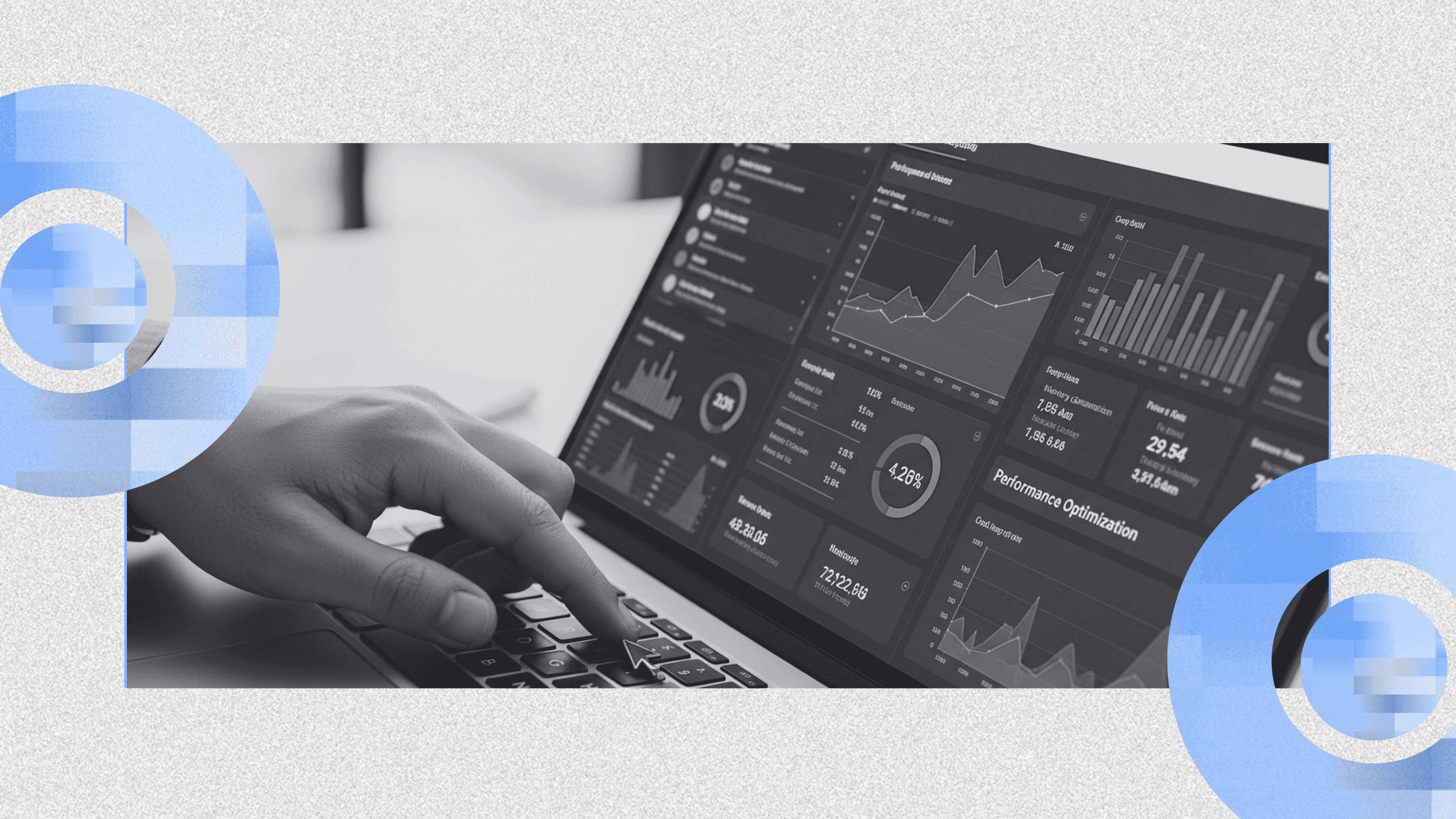

For years, dashboards were synonymous with analytical maturity. Organizations invested in BI, metrics, and sophisticated visualizations to track performance. This movement was essential, but today its limits are clear. Visualizing data is not the same as deciding better.
This is where AI stops being merely an analysis tool and becomes a strategic partner. When it connects data to direction, prioritization, and decision-making, artificial intelligence elevates the role of information in the business. Nexus represents this transition from static dashboards to dynamic decision systems.
The problem with static dashboards
Dashboards do a good job of organizing and displaying data. The problem appears when they become the final destination of analysis. Over time, leaders and teams start living with:
Too many metrics, often disconnected from real decisions.
Low prioritization, where everything seems important at once.
Subjective interpretation, depending on who is looking at the panel.
The result is familiar: long meetings, divergent readings, and little clarity about next steps. Data are available, but decisions do not move forward. Seeing is not deciding.
Actionable intelligence: from data to direction
Actionable intelligence is the ability to turn information into clear direction. It is not only about explaining the past, but indicating possible paths in the present.
With AI, historical data, current signals, and simulated scenarios combine to answer questions such as:
What deserves attention now?
Where is the potential impact highest?
Which action reduces the most short-term risk?
The central difference is between “what happened” and “what should we do now.” Dashboards remain mostly in the first field; AI operates in the second.
How AI prioritizes decisions
Prioritizing means deciding where to invest time, budget, and energy. It is also one of the hardest tasks for leaders. AI contributes by evaluating decisions across three essential dimensions:
Impact: which action tends to generate the greatest result?
Risk: where are the greatest uncertainties?
Probability of success: which paths are most likely to perform well?
Predictive models analyze these variables consistently, helping choose what to test, when to act, and where to invest. Algorithmic evaluation reduces human bias and creates a more objective prioritization process.
The team’s role changes: less time debating hypotheses and more time executing well-prioritized decisions.
Applied examples in Nexus
Nexus materializes this new model by connecting data, simulation, and action in one environment.
In practice, the platform enables:
Automatic campaign recommendations based on simulated scenarios.
Growth-hypothesis prioritization by impact and risk before execution.
Scenario simulation for messages, products, and positioning.
Continuous strategic direction without long analysis cycles.
Instead of waiting for reports, Nexus operates as a living decision lab where AI acts as an active partner in decision-making, interpreting, suggesting, and guiding.
A simulation-oriented culture
Adopting AI as a strategic partner requires cultural change. Mature companies do not limit themselves to analyzing past data; they simulate future decisions.
A simulation-oriented culture is characterized by:
Decisions evaluated before execution.
Continuous learning, not episodic analysis.
Less dependence on real-world trial and error.
Risk reduction with greater predictability.
In this model, AI does not replace human judgment. It expands the ability to think through scenarios, supporting more informed, faster, and safer decisions.
From visualization to strategic partnership
Dashboards remain relevant, but they are not enough. The next stage of analytical maturity is turning AI into a strategic partner capable of connecting data to action.
By integrating actionable intelligence, algorithmic prioritization, and predictive simulation, organizations decide better not because they see more data, but because they act with more clarity.
This is exactly the transition Nexus represents: going beyond the dashboard and placing AI at the center of the decision process as a constant ally between information and strategy.



Galaxies